
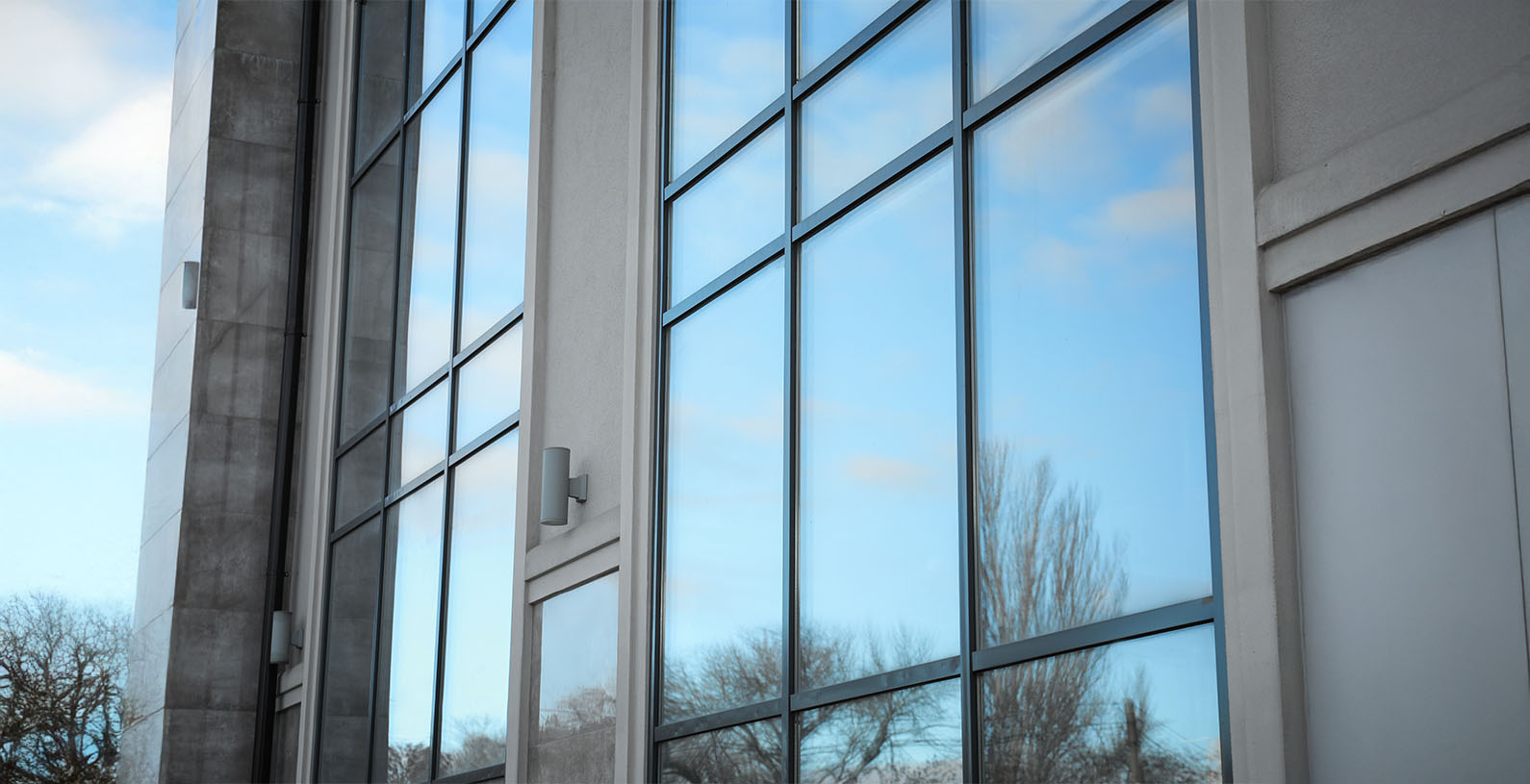
Rising summer temperatures often lead to higher cooling expenses for both homes and commercial properties. In areas with prolonged warm seasons, air conditioning systems work harder to maintain comfortable indoor environments. This increased workload directly impacts energy consumption and monthly utility bills. One effective solution for reducing cooling demand is the strategic use of solar window film.
By controlling heat gain through glass surfaces, Solar Window Film plays an important role in managing indoor temperatures. It limits the amount of solar energy entering a building while still allowing natural light to pass through. This balance helps reduce reliance on air conditioning systems and supports long-term energy efficiency goals.
Understanding Solar Window Film and How It Works
Solar window film is a specialized material applied to the interior or exterior surface of windows. Its primary function is to manage solar heat gain and ultraviolet radiation entering a building.
What Solar Window Film Is Designed to Do
Solar window film is engineered to reflect, absorb, or redistribute solar energy before it penetrates indoor spaces. The film works by interacting with sunlight at the glass surface, reducing the amount of heat that passes through windows.
Modern solar films are designed to maintain visibility while enhancing thermal performance. They are available in various shades and performance levels to suit different building needs without compromising aesthetics.
Heat Reduction and UV Block Explained
A key benefit of solar window film is its ability to reduce heat while blocking ultraviolet radiation. Excess solar heat is one of the primary contributors to indoor temperature increases during summer months.
Solar window films typically provide:
- Significant reduction in solar heat gain
- Blocking of harmful UV rays that contribute to fading
- Improved indoor temperature stability
- Reduced glare from direct sunlight
By limiting heat and UV exposure, solar window film creates a more controlled indoor environment.
Why Summer Cooling Costs Are High in Mississauga
Cooling costs tend to rise sharply during summer due to a combination of climate conditions and building design factors. Understanding these influences helps explain why energy bills increase during warmer months.
Local Climate Impact on Residential and Commercial Buildings
Mississauga experiences extended periods of warm weather during summer. Sunlight exposure through windows can cause interior spaces to heat up quickly, especially in buildings with large glass surfaces.
This heat accumulation places constant demand on cooling systems. Without proper solar control, indoor temperatures can fluctuate, forcing air conditioners to cycle more frequently.
How Excess Heat Increases HVAC Load
When solar heat enters a building unchecked, HVAC systems must compensate to maintain set temperature levels. This results in longer operating hours and increased energy usage.
Common effects of excess heat include:
- Continuous air conditioning operation
- Uneven cooling across rooms
- Higher peak energy demand
- Accelerated system wear
Reducing heat at the source helps alleviate this pressure and improves overall HVAC efficiency.
Mississauga Case Study Overview
Evaluating energy performance before and after solar window film installation helps illustrate its potential impact. This section presents a general case study framework without referencing any specific building or location.
Building Type and Energy Usage Before Installation
Before solar window film application, buildings typically experience high solar heat gain through untreated windows. Cooling systems are required to offset this heat, leading to increased electricity consumption during peak summer periods.
Energy usage patterns often show higher daytime cooling demand, particularly in spaces exposed to direct sunlight. These conditions highlight the need for effective solar control solutions.
Cooling Performance After Solar Window Film
After installation, solar window film reduces the amount of heat entering through windows. Indoor temperatures become more stable, allowing air conditioning systems to operate more efficiently.
Observed performance improvements generally include lower cooling demand, reduced temperature fluctuations, and improved comfort levels throughout the building.
Measuring Energy Savings With Solar Window Film
Quantifying energy savings helps property owners evaluate the effectiveness of solar window film. Several tools and standards are commonly used to assess performance.
Using an Energy Savings Calculator
Energy savings calculators estimate potential reductions in cooling costs based on factors such as window area, building orientation, and local climate conditions.
These tools provide insight into expected outcomes, helping decision makers understand how solar window film contributes to lower energy consumption and reduced utility expenses.
Interpreting NFRC Performance Ratings
NFRC ratings offer standardized performance metrics for window related products. Solar window film performance is often evaluated using indicators such as solar heat gain coefficient and visible light transmission.
Understanding these ratings allows property owners to compare film options and select products aligned with their energy efficiency goals.
Key Solar Film Benefits for Homes and Businesses
Solar window film offers a wide range of benefits that extend beyond energy savings. These advantages apply to both residential and commercial settings.
Summer HVAC Savings and Improved Comfort
By reducing solar heat gain, solar window film lowers cooling demand and supports consistent indoor temperatures. This contributes to improved comfort during hot weather while reducing HVAC operating costs.
Additional benefits include:
- Reduced glare near windows
- More balanced indoor temperatures
- Enhanced occupant comfort
- Lower strain on cooling equipment
These improvements create a more pleasant indoor environment throughout the summer season.
Residential and Commercial Applications
Solar window film is suitable for various property types, including homes, offices, retail spaces, and multi unit buildings. Its versatility makes it an effective solution across different architectural designs.
In the middle of energy efficiency planning discussions, many property owners explore professional solutions from providers like SERO Windows Films to ensure proper product selection and installation quality.
Is Solar Window Film Worth the Investment
Evaluating the return on investment is an important part of deciding whether to install solar window film. This involves considering upfront costs alongside long term savings.
Estimating Payback and Long Term Energy Savings
Solar window film typically delivers savings through reduced cooling costs and extended HVAC system lifespan. Over time, these benefits can offset installation expenses.
Factors influencing payback include building size, window exposure, and energy rates. When combined with improved comfort and UV protection, solar window film often represents a cost effective energy upgrade.
Conclusion
Solar window film offers a practical and efficient way to reduce summer cooling costs in Mississauga. By limiting solar heat gain and supporting HVAC efficiency, it helps stabilize indoor temperatures and lower energy consumption. These benefits make it a valuable solution for both residential and commercial properties seeking long term energy savings.
Investing in solar window film supports comfort, cost control, and building performance throughout the warm season. If you are considering ways to reduce cooling expenses and improve indoor comfort, professional guidance can help you choose the right solution. Contact us to learn more about solar window film options and installation services.
FAQs
How does solar window film reduce air conditioning costs?
Solar window film reduces the amount of heat entering through windows, which lowers cooling demand and decreases air conditioning energy usage.
Is solar window film suitable for both homes and businesses?
Yes, solar window film can be applied to residential and commercial buildings to improve comfort and energy efficiency.
Does solar window film block natural light?
Solar window film is designed to reduce heat and glare while still allowing natural light to enter indoor spaces.
How long does solar window film last?
High quality solar window film is designed for long term performance and can last many years with proper installation.
Can solar window film help protect interior furnishings?
Yes, by blocking ultraviolet rays, solar window film helps reduce fading of furniture, flooring, and interior finishes.