
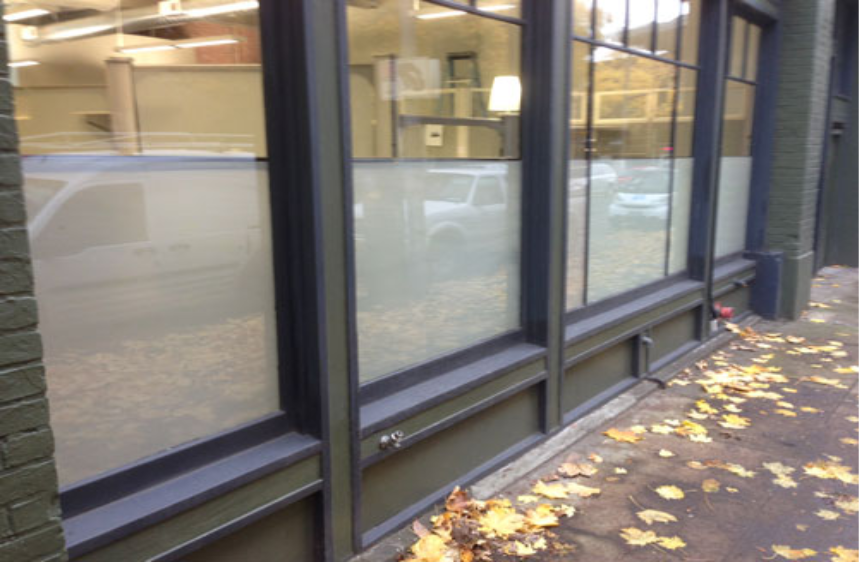
Retail store owners, restaurant managers, and property managers often face growing concerns about forced entry attempts and vandalism. For many, installing security window films on existing storefront windows can seem like an attractive way to reinforce glass without the expense or downtime of full replacement. In this guide, we explore whether these films live up to their claims. We examine laboratory evidence, real world performance, and provide a practical checklist for assessing whether security films make sense for your commercial property.
Understanding How Security Window Films Work
Security window films are thin layers of strong polyester that bond directly to existing glass surfaces using a durable adhesive. Once applied, the glass and film act together as a reinforced single unit. If someone strikes or attempts to break the glass, the film resists shattering and helps hold the glass fragments together. The effect is not making the glass unbreakable but significantly slowing down or delaying forced entry.
There are two ways the film enhances security. First, it increases impact resistance so that blunt hits or smash attempts are less likely to break the glass cleanly. Second, it creates a lag between the impact and the glass giving way. This delay can be enough to deter opportunistic thieves, draw attention, or allow staff or security systems time to respond.
It is important to note that security films do not guarantee absolute intrusion prevention. A determined, persistent intruder with enough tools and time may still break through. The film’s purpose is to increase difficulty, not render glass impervious.
Real Evidence Behind Security Film Performance
Many film manufacturers publish data from controlled environments, demonstrating how well their products perform under stress. Independent safety film testing often measures several factors: impact force required to breach the glass, delay in full failure, and how well fragments are retained.
In typical tests, glass treated with thicker or reinforced security film withstands multiple blows from blunt instruments such as metal bars or hammers before yielding. Even when glass cracks, the film holds all or most pieces in place. This behavior contrasts sharply with untreated glass, which shatters into shards on impact, shards that can give a thief a clear opening.
These results show that security films can significantly delay break-in attempts. In many real-world cases, that delay is enough for alarms to go off, passersby to react, or security cameras to record, making the attempt risky or unappealing for criminals.
However, it is equally important to acknowledge the limitations. Tests are done on standard glass and controlled strikes. Real world break ins may involve more aggressive tools, repeated attacks, or leverage against frames. Security film adds a layer of protection, but does not replace locks, alarms, or proper frame reinforcement.
Key Factors That Determine Effectiveness
Not all security films are created equally. Several variables influence how effective a film will be in a storefront or restaurant setting.
Film Thickness
Thickness plays a major role in how much protection a film provides. Thicker films absorb and disperse energy better when impacted, making it harder to breach. In a storefront environment where security is a concern, choosing a heavy-duty film rather than a basic light film often makes the difference between a quick entry and a delayed attempt. When evaluating your options, always check film thickness carefully and consider whether it suits the level of risk at your location. Using a thinner film for a high-risk street facing window may offer minimal benefit. It is wise to consult professionals when selecting film thickness for commercial settings.
Anchoring Systems
Film alone helps bind glass fragments, but for serious intrusion resistance, anchoring the film to the frame improves strength dramatically. Edge anchoring strips or structural silicone anchoring are methods used to create a more secure barrier. For large display windows or doors in high traffic areas, anchoring transforms a simple film upgrade into a robust retrofit. Without proper anchoring, film performance is limited mainly to fragment retention and some delay but may not stop a determined intruder.
Glass Condition and Type
The type and condition of the glass matter greatly. Older float glass or single pane windows are more compatible with film retrofit than pre-tempered or already laminated glass. If glass is chipped, scratched, or previously weakened, film adhesion and structural integrity may be compromised. Evaluating existing glass carefully before installation is essential to avoid unexpected failures.
Professional Installation Requirements
Proper installation is not optional. The surface must be thoroughly cleaned, free of dust and oil. Film must be cut and fit precisely, edges sealed correctly. Even small mistakes, bubbles, unsealed edges, or misalignment, can reduce effectiveness or let moisture degrade the adhesive over time. For commercial storefronts, it is strongly recommended to rely on experienced professionals who follow standard protocols. Proper installation helps ensure the film performs as intended and remains durable under real conditions.
Storefront Security What You Can Expect in Real Situations
In many urban areas break-in attempts are opportunistic: a quick smash with a hammer or crowbar aimed at getting in fast before alarms activate or someone notices. With security film, the glass may crack, but it often stays intact long enough to prevent entry for several seconds or more, sometimes long enough for staff to respond or for the alarm to trigger. That delay may discourage thieves altogether.
For shops with valuables displayed near windows, increasing entry resistance can mean fewer smash and grab incidents. Film also helps contain shattered glass, reducing injury risk to staff or customers. In narrow alleyways or late-night situations where visibility is low, film increases safety and may discourage vandalism.
However, if the intruder uses power tools, a pry bar, or enough force over time, the film may eventually fail. Therefore, security films should be considered part of a multi-layer approach, not a standalone guarantee.
Police Recommendations and Crime Prevention Tips
Security professionals and police often advise that window security should include more than glass reinforcement. Good lighting, clear sight lines, security cameras, and reinforced entry points all work together. Security film can be one part of that broader plan, making break-in attempts slower and messier, but it should never replace locked doors, alarms, or vigilant management.
In addition, regular maintenance of window frames, ensuring locks and hinges are secure, and installing display cases or interior barriers behind glass makes shops harder targets. Combining film with these measures maximizes safety and discourages repeat attempts.
Retrofit vs Replace Glass Which is Better
For many retail and restaurant owners replacing entire glass panels with laminated or tempered glass seems expensive and disruptive. Retrofit with security window film offers a cost-effective and less intrusive alternative. It allows you to upgrade existing glass without removing frames or changing storefront design.
Costs are generally lower, downtime is minimal compared to full replacement, and the visual appearance remains largely unchanged, important for displaying windows. For tenants or multiple store units in a strip mall, retrofit is often the only feasible upgrade.
That said, there are situations when replacing glass makes sense. If the existing glass is damaged, old, single-pane float glass, or if local building regulations require tempered or laminated glass for safety, replacement may be the better option. Also, for very high-risk locations or high value items, full glass replacement plus film or laminated glass might offer superior long-term protection.
Complete Storefront Checklist Before Installing Security Window Films
Before you commit to installing security film, run through this checklist to ensure optimal results and avoid surprises:
- Inspect all glass panels: check for cracks, chips, scratches, or age-related weaknesses.
- Evaluate window frames and support: to ensure frames are solid, without rot or corrosion.
- Assess foot traffic and visibility: are windows street facing or in dark alleys? High risk windows are top priority.
- Identify high value display areas: windows that expose merchandise, cash registers, or storage should get premium films.
- Plan for anchoring or reinforcement if necessary: choose edge anchored systems for large display windows.
- Budget for professional installation and potential maintenance: factor in cleaning, sealing, and periodic inspection.
- Estimate downtime: consider when your store is closed to schedule installation to minimize disruption.
- Combine film with other security measures: alarms, cameras, lighting, secure locks, and staff training.
How Security Films Help Retail and Restaurant Owners
Installing security film on storefront windows brings multiple tangible benefits:
- Reduced repair and replacement costs after vandalism or attempted break ins. Film keeps glass intact and contained.
- Lower risk of smashing and grabbing thefts, especially for stores with window displays visible from the street or sidewalk.
- Added protection during after-hours when no staff are present. Broken glass stays bounded, reducing easy access.
- Improved staff confidence and customer perception. A secure-looking storefront discourages opportunistic thieves.
- Less disruption compared to full glass replacement. Business operations can resume quickly.
For owners who want to balance cost, protection, and minimal aesthetic change, security films are often the most practical solutions.
Professional Window Film Installation Toronto What to Expect
When you choose professional installation, here is what typically happens:
- Glass is cleaned thoroughly and inspected. Any residue, oil, or small debris is removed to ensure proper bonding.
- Film is measured and cut precisely to fit each window panel.
- The adhesive film is applied carefully to avoid bubbles or wrinkles.
- Edges are sealed, and if required, anchoring strips or structural anchoring are added.
- The film cures, this may take a few days depending on temperature and humidity.
- After curing, film is inspected for adhesion, clarity, and sealing integrity.
Quality installations last many years with minimal maintenance. Regular inspections ensure that the film remains effective. Compared to DIY kits, professional work reduces the risk of bubbles, peeling, or poor adhesion, all of which degrade protection.
Conclusion
Security window films provide an effective and affordable upgrade for storefront window protection. They reinforce existing glass, slow down break in attempts, and offer valuable delay, often enough to deter thieves, trigger alarms, or allow staff response. While they do not guarantee complete prevention of break ins, they significantly raise the bar for intruders.
For retail and restaurant owners looking for a cost effective and minimally disruptive upgrade to their storefront glass, security film is a practical option. To assess your specific risks and needs, consider evaluating your property and applying a full storefront security plan that includes film, frame reinforcement, lighting, and monitoring.
FAQ Section
1) Do security window films actually stop burglars?
Security window films do not make glass unbreakable. They make forced entries harder and slower. In many cases the delay is enough to prevent quick smash and grab theft, but a determined attacker with tools may eventually succeed if additional security measures are not in place.
2) How long do security films last?
When professionally installed and maintained, security window films typically last many years without losing effectiveness. Regular inspection of seals and any peeling is recommended.
3) Can film be installed on any storefront glass?
Most clear float glass or standard storefront glass is suitable for retrofit film installation. However, glasses that are scratched, chipped, or already tempered may not bond well with the film. It is important to inspect glass conditions before applying to the film.
4) Does film affect visibility or display clarity?
Quality security films are optically clear. When properly installed, they should not noticeably distort visibility or impact your interior display clarity.
5) What thickness should I choose for commercial settings?
For retail or restaurant storefronts in urban areas, thicker heavy-duty films are generally recommended. Thin films provide minimal delay and fragment retention. Discuss a professional installer to select a film thickness appropriate for your risk level.